Before the Brochure: What an N-Number Reveals About a Charter Aircraft
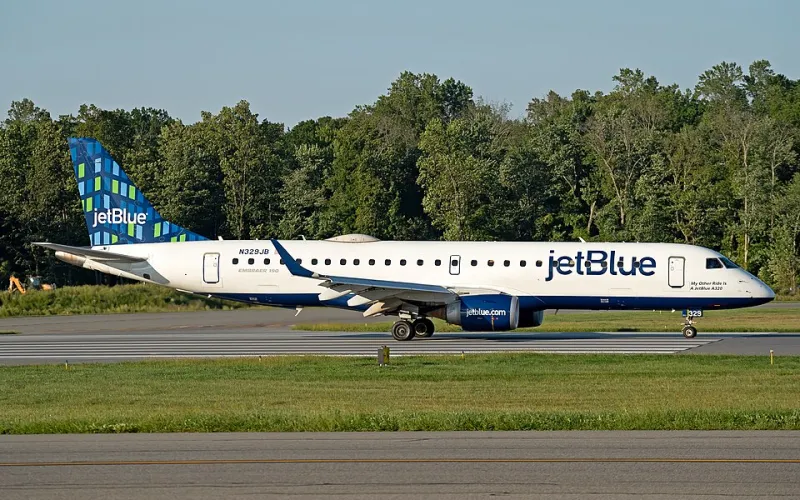
Photo: Dave Montiverdi, CC BY-SA 4.0, via Wikimedia Commons
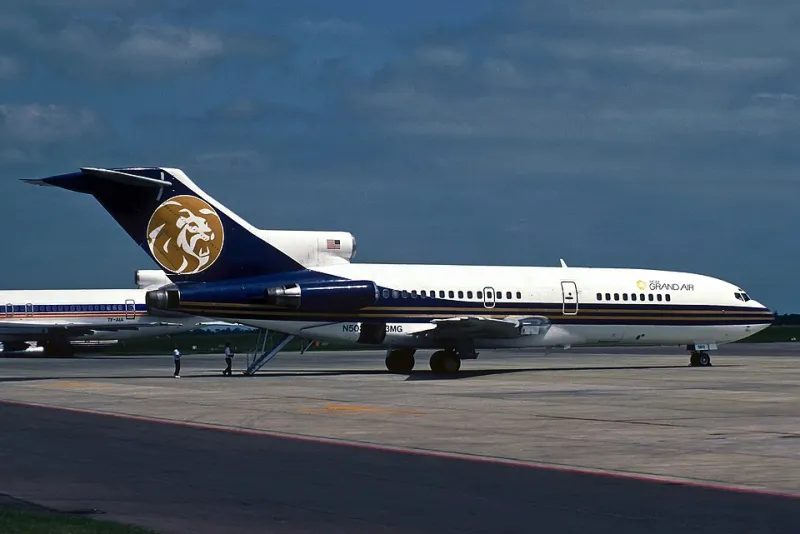
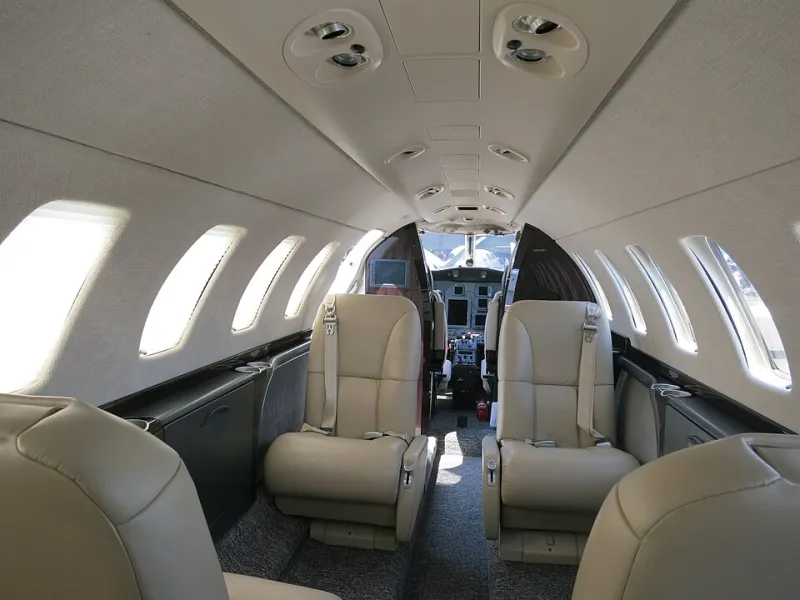
A charter quote arrives as a polished document: glossy aircraft photographs, a flattering cabin layout, and a promise of seamless service. For affluent travelers, the most useful due diligence begins with something far less elegant — the registration painted on the tail. In the United States, civil aircraft carry an N-number, and the public record behind that number can confirm, or complicate, the story in the brochure. It will not tell you whether the leather is fresh. It will tell you whether the aircraft is old, whether the registered owner and the operating certificate align, and whether the seller is being forthright about the asset you are about to board.
The registry is a first draft, not a verdict
The FAA aircraft registry is public, free, and refreshingly unsentimental. It lists the manufacturer, model, serial number, registration, registered owner, and airworthiness date. Compare those fields with the quote. If the sales document describes a recent-production model but the serial number belongs to an older batch, ask why. Refurbishment can make an older airframe feel new; it cannot reset the maintenance schedule, the cycles on the fuselage, or the market's view of the asset. A discrepancy is not proof of misconduct. It is a question that deserves a plain answer.
Serial numbers and the age conversation
The manufacturer's serial number is the aircraft's fingerprint. Model year is a useful shorthand, but it is not a substitute for total time and total cycles. A low-time aircraft can still have expensive inspection exposure; a higher-time aircraft can be a well-managed bargain if the records are complete. Ask for hours and cycles, recent utilization, and the status of life-limited parts. Ask when the next major inspection falls due and who will pay for it. A charter operator that cannot answer these questions for its own fleet is not curating; it is improvising.
The operator chain matters more than the paint
The registry may show a trust, an LLC, or a leasing company as owner. That is ordinary in American aviation. What matters is operational control: who holds the Part 135 certificate, who employs the crew, and who is responsible for maintenance. Ask for the certificate number and confirm that the entity selling the flight is the entity operating it, or that the broker discloses the operator clearly. Previous operators are harder to see in public data. Aircraft logs and records can show the chain, and a serious operator should be willing to summarize it. Damage history, major repairs, and pressurization events belong in that conversation, not in a footnote after deposit.
Maintenance records are not public, but they are not optional
The FAA registry does not publish maintenance records. That is why the quote request must do more work. Ask for a records summary: airworthiness directive compliance, inspection status, engine program enrollment, and any known discrepancies. You are not asking for the full logbooks before a first flight; you are asking whether the operator can document the aircraft it is selling. Refusal to provide basic summaries is itself information. So is a tail number that changes after the contract is signed without a documented reason.
Red flags that survive the polish
Watch for a sales entity that cannot name the operating certificate. Watch for vague answers about total time, cycles, or inspection status. Watch for a last-minute substitution presented as an upgrade without paperwork. Watch for an aircraft that is always available at peak dates but never has a tail number attached to the quote. None of these proves a bad operator. Together, they describe a transaction that is being managed for the seller's convenience rather than the buyer's confidence.
Make transparency a term of the quote
The practical remedy is simple: ask for the tail number, the operator certificate, and a records summary before you commit. Require written confirmation that the aircraft quoted is the aircraft scheduled, and define what happens if it is substituted. A curated fleet should mean a documented fleet. The brochure can describe the cabin. The N-number tells you whether the cabin is attached to an aircraft you would actually want to fly.