A Crate, a Cello, and a Case of Romanée: The Cargo That Tells You Who a Charter Company Really Works For
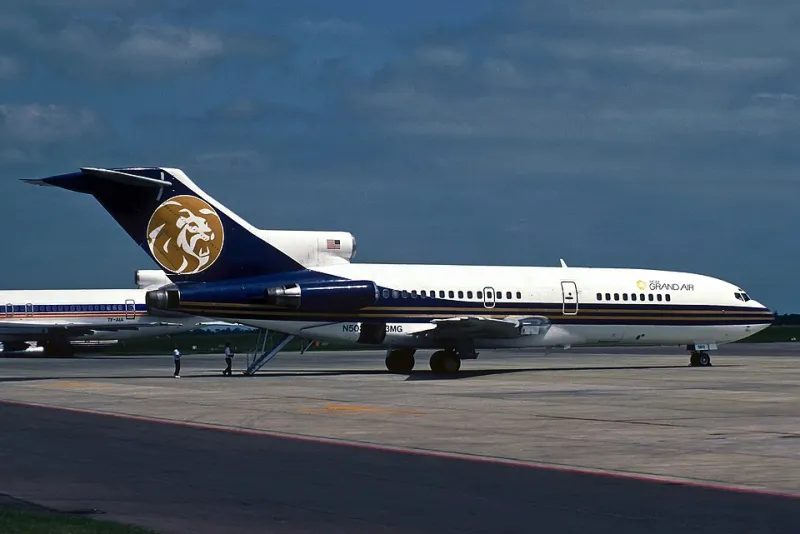
Photo: Colin Cooke Photo, CC BY-SA 2.0, via Wikimedia Commons
Ask a charter operator about their fleet and you will get a polished answer: cabin dimensions, range figures, the age of the airframe. Ask instead what walked through the hangar door last week, and the marketing language falls away. A show-jumping horse's saddle. A 12-year-old's golden retriever. A cello in a carbon-fiber case worth more than most automobiles. A single bottle of 2015 Vosne-Romanée that could not, under any circumstances, travel in the hold of a commercial airliner.
These are the requests that never appear in a brochure. They are also, according to the operators who handle them weekly, the most honest measure of who a charter company actually serves.
The Passenger Who Needs a Passport and a Rabies Certificate
Pets are no longer a novelty in private aviation; they are routine. What separates a seasoned operator from an indifferent one is the paperwork discipline behind the welcome. A dog flying from Denver to Nantucket needs different documentation than one flying from Westchester to Nassau. The Bahamas requires an import permit filed in advance. Hawaii, famously, enforces quarantine rules that no amount of money shortcuts.
A well-run operation asks about the animal before quoting the flight: breed, weight, temperament, whether the pet will sit on a seat or in a carrier, and whether the cabin has been treated for allergies on prior legs. Some operators maintain a standing pet profile for repeat clients — vaccination records, a preferred blanket, the fact that a certain spaniel becomes anxious during descent. That level of record-keeping does not happen at companies chasing one-off bookings. It happens where the clientele flies the same dog to the same house every August.
Skis, Clubs, and the Geometry of the Hold
Winter exposes the gap between aircraft categories better than any spec sheet. A very light jet that comfortably carries four passengers from Chicago to Vail may surrender entirely when those passengers also bring two ski bags and boot cases. The baggage hold of a light jet is measured in inches, not cubic feet, and ski bags — typically 170 to 190 centimeters — simply do not fit certain airframes.
Competent sales desks know this before the client does. The mark of a serious operator is a quote that already accounts for the golf bag in March and the clubs in June, rather than a lowball price that generates an awkward phone call three days before departure. When a company volunteers, unprompted, that your party of five with six ski bags should consider a midsize cabin instead of the cheaper light jet, you have learned something important about who they are used to serving: people for whom the second phone call is worse than the higher quote.
The Bottle That Cannot Fly Commercial
Wine may be the most quietly revealing cargo in the business. A serious collector flying from San Francisco to Aspen does not check a case of Burgundy into an airline hold, where temperatures in the belly of an aircraft can swing wildly and handlers treat luggage as luggage. Charter is the only way certain bottles travel, and the request comes with constraints that surprise newcomers.
Pressure changes at altitude can affect corks. Cabin temperature matters. Some clients ask that the wine ride in the cabin proper, in padded shippers, at a stable temperature — requests that require the operator to coordinate with the FBO, plan loading carefully, and occasionally decline a client whose expectations cannot be met safely.
And here is the dividing line: an operator who has handled wine shipments, instrument transport, and temperature-sensitive cargo has infrastructure for the answer. One who has only ever sold empty-leg bargains to price-shoppers does not. Both will say yes on the phone. Only one means it.
When the Answer Is No
There is equal information in refusal. A professional operator declines requests that compromise safety or legality — an overweight pet without proper documentation, cargo that exceeds certified weight-and-balance limits, a cello seat assignment that would block an emergency exit. The refusal comes with an explanation and usually an alternative: a larger airframe, a different routing, a ground transport solution for the final leg.
The disreputable version says yes to everything, collects the deposit, and lets the ramp crew sort it out. Travelers with nonstandard needs — and nearly every affluent traveler has at least one — should treat how an operator handles the strange request as a due diligence exercise. Ask early. Ask specifically. Listen for whether the answer includes logistics or merely enthusiasm.
The Real Client List, Written in Cargo
Fleet pages describe what a company owns. Unusual cargo requests reveal what a company practices. The operator accustomed to family offices flies with dog crates, ski equipment, and cellar stock as a matter of course. The operator accustomed to deal-chasers does not, and the difference surfaces at exactly the wrong moment — on the ramp, with the jet waiting and the Burgundy still in the car.
For travelers whose lives do not pack neatly into a rolling carry-on, the question to ask is not whether a charter company can accommodate the dog, the skis, and the bottle. It is whether anyone has asked them before. The answer, delivered without hesitation and with the paperwork already in mind, tells you precisely who holds the other side of that contract.