Before You Ever Board: Reading an Operator's Front Office Like a Due Diligence Document

Most buyers of private air travel spend an inordinate amount of time comparing airframes. Cabin length, baggage capacity, range figures, cabin altitude — the specification sheet becomes the entire conversation. This is understandable, but it is also incomplete. Two operators can fly the identical aircraft, maintained to the identical regulatory standard, and deliver experiences so different that they barely resemble the same product.
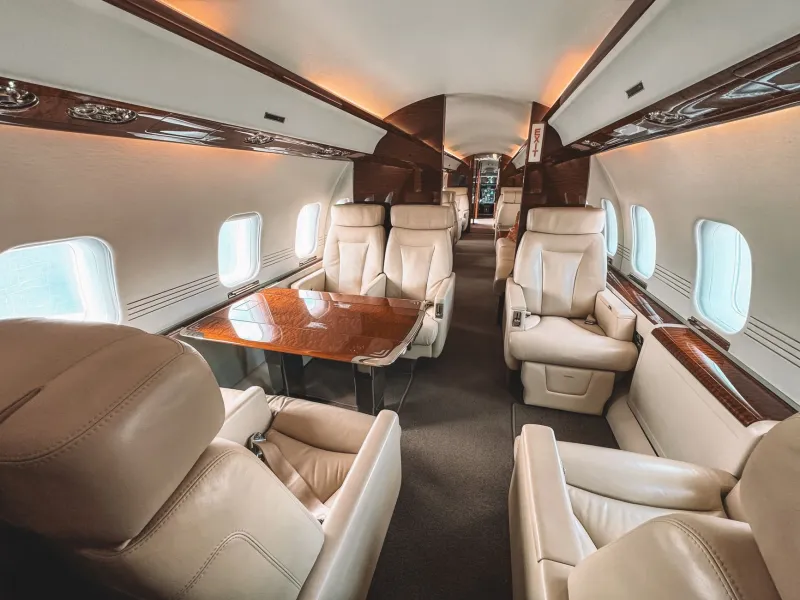
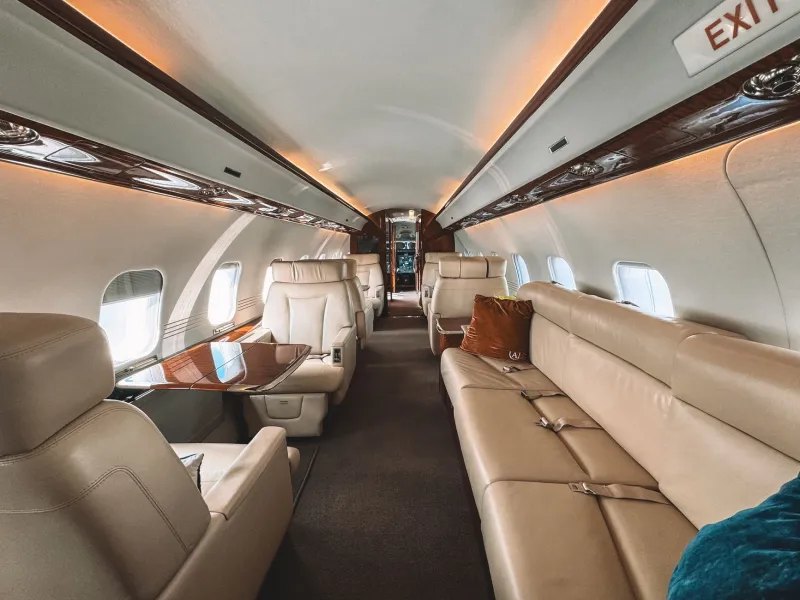
The difference lives in the front office: the people, systems, and habits that surround the flight. And unlike a cabin interior, which photographs well, the quality of an operation reveals itself only under pressure. The discerning traveler should evaluate it the way a lender evaluates a business — through small, observable behaviors rather than marketing claims.
The 2 A.M. Standard
Every operator performs well on a routine Tuesday. The test is what happens when your return from Palm Beach slips eight hours because a deal collapsed, or a thunderstorm line across the Midwest forces a same-day reroute through a different field entirely.
Ask yourself: who answers? A named account manager who already knows your passengers, your preferred FBO in Teterboro, and your daughter's nut allergy — or a rotating queue of agents reading from a script? Superior operations assign a single point of contact who owns your trip end to end, and they staff for the reality that private aviation does not keep banker's hours. When you call at 2 A.M. and a human being with full context picks up in two rings, you have learned something no brochure can tell you.
Ground Coordination: The Invisible Half of the Flight
A charter flight is, in truth, a chain of ground events with an aircraft suspended in the middle. Ramp access, customs notification, de-icing priorities, fuel availability, ground transportation, catering windows — each is a potential failure point, and the best operators manage them with almost obsessive attention.
Consider catering, which sounds trivial until you experience the difference. A first-rate operation sources from restaurants and specialty purveyors rather than the default airport vendor, confirms dietary requirements in writing before every departure, and handles the logistics of delivering a hot, properly plated meal to a ramp in Savannah with the same competence it would in Chicago. Ask an operator where their catering comes from. A vague answer is an answer.
Ground transportation deserves the same scrutiny. The operator that confirms your chauffeur's name, plate number, and pickup location the night before — and reconfirms it morning-of — is an operator that understands the product extends to the curb.
Crew Continuity: The Underrated Luxury
Frequent charter flyers come to prize something that never appears on a quote: familiar crews. Pilots who know your preferred cruising altitude, your tolerance for a slightly earlier departure, the way you like the cabin briefed. Flight attendants who remember that your wife takes her coffee black and your chief of staff prefers the forward club layout.
This continuity is not accidental. It reflects an operation that retains its people, schedules deliberately, and treats crew assignments as relationship-building rather than a scheduling puzzle. When interviewing an operator, ask how often you can expect the same faces. Operators proud of their retention will answer specifically. Those who cannot, will not.
A Working Checklist
Before committing to an operator for anything beyond a single trip, run them through a modest due diligence process:
- Responsiveness under stress. Request a quote for a complex, multi-leg itinerary with short notice and observe how the response is constructed — thoughtful and detailed, or templated and thin.
- Single point of contact. Confirm, in writing, who owns your account and how after-hours support works.
- Safety posture beyond the certificate. ARGUS or Wyvern ratings are table stakes; ask what internal standards exceed them.
- Catering and ground sourcing. Named vendors and named partners signal infrastructure. Generic language signals a booking engine.
- Crew assignment philosophy. Ask directly about continuity and what they do to protect it.
- How they say no. The best operators decline trips they cannot execute brilliantly. An operator that accepts everything is an operator optimizing for volume.
The Mask Comes Off at the Margins
Anyone can purchase a glossy website and the vocabulary of exclusivity. What cannot be purchased quickly is a culture in which the details are treated as the product rather than an accessory to it. The front office — its staffing, its habits, its memory of your preferences — is where that culture is visible long before you ever step aboard.
The affluent buyer does not need more options. What they need is a reliable method for telling the difference between an aviation partner and an intermediary with good taste in photography. The checklist above is a starting point. Trust the small signals; they are rarely small.