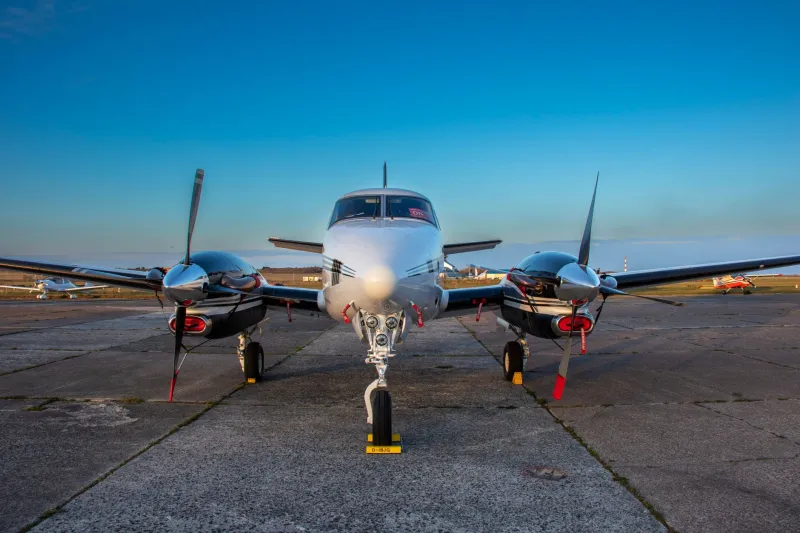
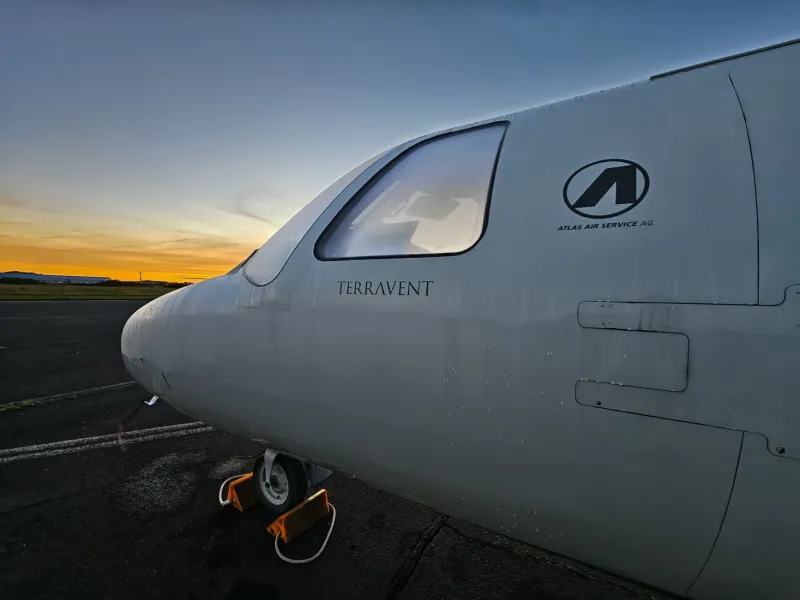
Right-Sizing the Cabin: Why Your Mission Should Choose the Aircraft, Not the Brochure
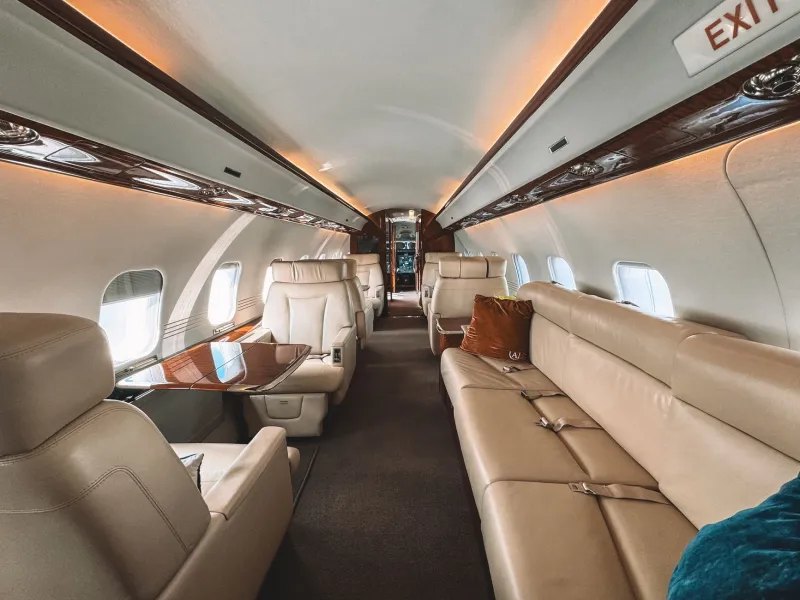
First-time private flyers tend to make the same mistake in one of two directions. Some book the largest aircraft available, assuming that a heavier jet signals seriousness. Others default to the smallest, believing frugality is its own virtue. Both approaches quietly inflate the invoice — not through the hourly rate, which is printed plainly on every quote, but through the arithmetic of positioning, fuel stops, and wasted cabin hours. At JetBook K12, we counsel clients to begin with the mission, not the machine.
The Light Jet: Precision, Not Compromise
A Cessna Citation CJ3 or an Embraer Phenom 300 is not a lesser option; it is a specific tool with a specific range of excellence. For flights under two and a half hours — New York to Boston, Chicago to Nashville, Dallas to Aspen in good weather — the light jet is nearly impossible to beat on economics. It burns less fuel, lands on shorter runways, and opens up airfields the heavies cannot touch, from Nantucket to Telluride.
The discipline lies in respecting its ceiling. Ask a light jet to fly coast to coast and you will purchase a fuel stop, additional crew duty time, and an arrival window that has quietly slipped by ninety minutes. The savings on the hourly rate evaporate in the stopover.
Midsize and Super-Midsize: The Overlooked Middle
American charter buyers often skip from light jets directly to heavy iron, overlooking the category that serves most domestic missions exceptionally well. A Praetor 600 or Challenger 350 will carry six passengers nonstop from Teterboro to Los Angeles with baggage, a proper lavatory, and a cabin quiet enough for a working flight.
For the traveler flying transcontinental two or three times a quarter, the super-midsize frequently delivers the best value per mile in the entire charter market. It is the aircraft equivalent of a bespoke suit that has not yet been advertised to you.
The Heavy Jet: When Range Becomes Non-Negotiable
A Gulfstream G450 or Global 6000 earns its hourly rate in three scenarios: nonstop transcontinental or intercontinental legs where a stop is unacceptable, parties of seven or more, and itineraries where the cabin itself is the destination — the overnight flight, the working dinner at altitude, the family returning from Aspen with skis and a dog.
Booking a heavy jet for a two-hour hop is the most common form of over-buying we see. The hourly differential can run $3,000 to $5,000 per flight hour, and the positioning costs are higher at every airport. Multiply that across a year of travel and the difference funds a second vacation.
The Quiet Costs of Flying Wrong
Three line items punish the mismatched booking:
- Positioning fees — the wrong aircraft category may be based further from your departure point.
- Fuel stops — each adds crew time, landing fees, and schedule risk.
- Ramp and handling charges — larger aircraft pay larger bills at every stop, including the one you didn't need.
Under-buying carries its own penalty: a light jet that cannot complete the mission will be re-quoted, re-crewed, or re-booked, usually at the worst possible moment.
A Simple Test Before You Sign
Answer four questions: How many passengers? What is the true great-circle distance? What must arrive with you — luggage, equipment, pets? And how firm is the schedule? The aircraft follows from the answers. Clients who adopt this discipline with our flight desk typically see charter spend fall by 15 to 25 percent in their first year, with no reduction in comfort on the missions that matter.
The fleet is not a hierarchy of status. It is a set of instruments. Choose the right one, and the whole system works in your favor.