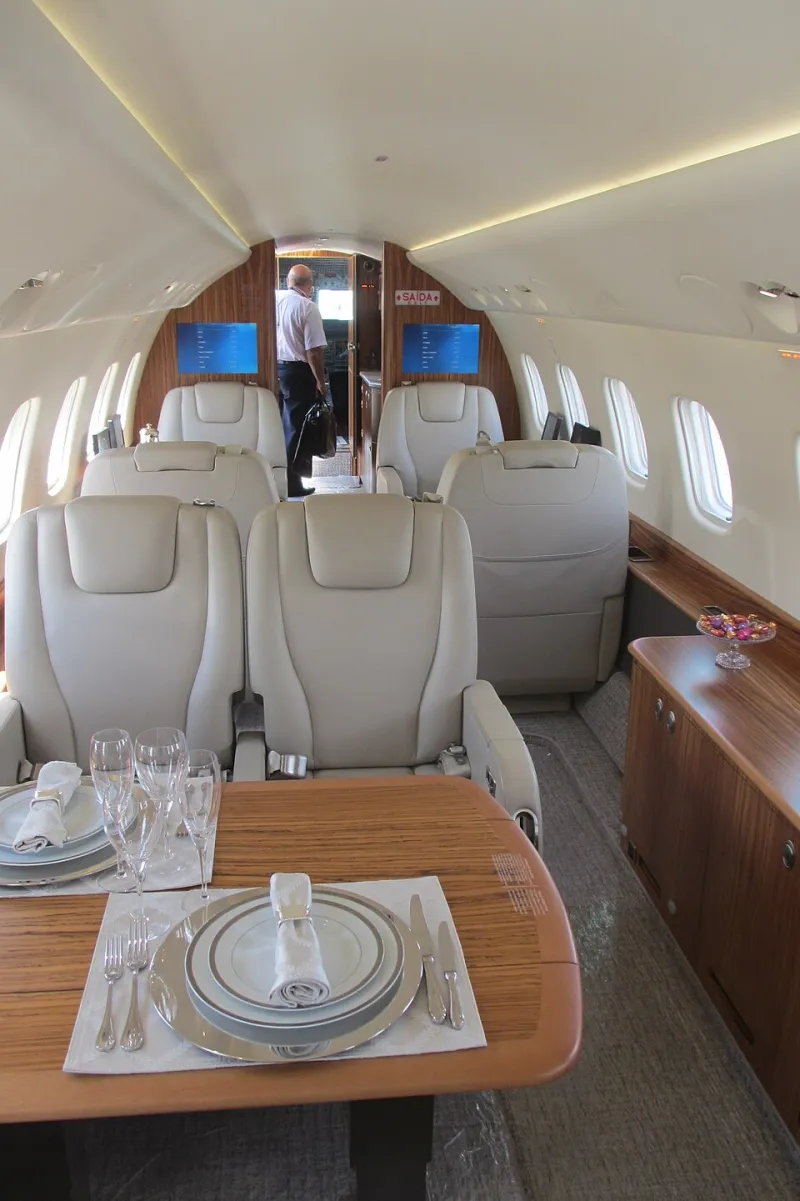
The Discount That Flies on Someone Else's Schedule
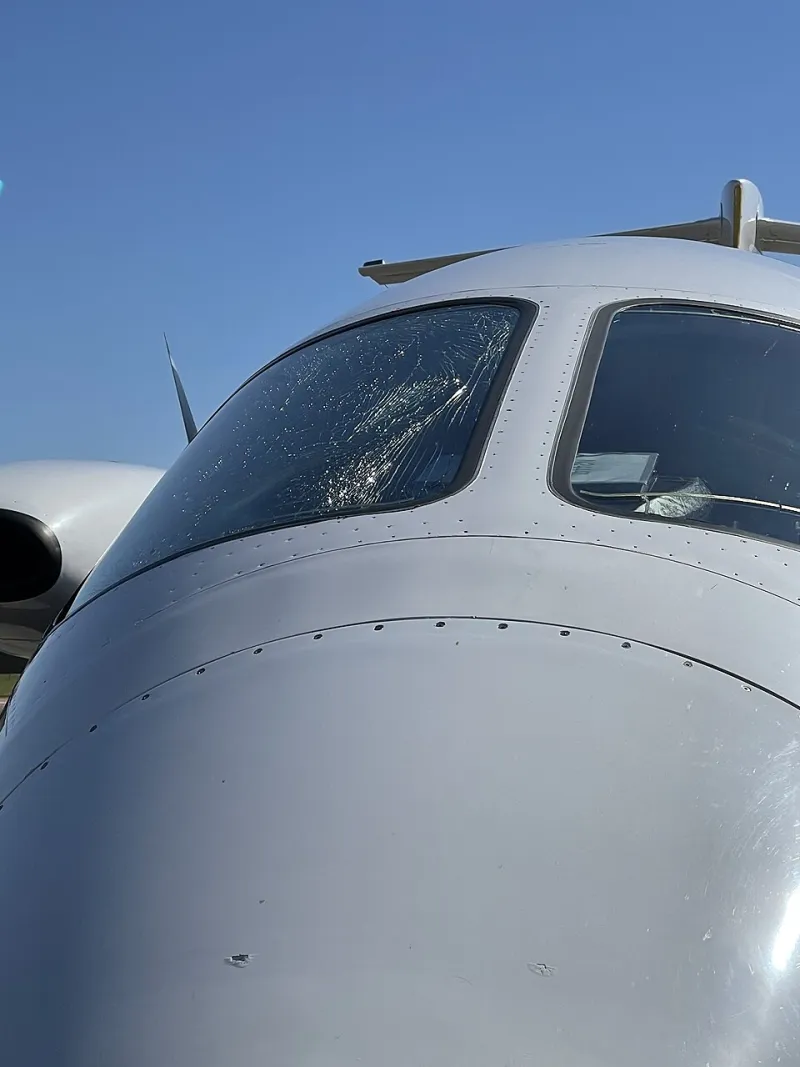
Photo: Httackne, CC BY-SA 4.0, via Wikimedia Commons
An empty leg is not a fare class. It is a consequence. A jet has finished one mission and must be somewhere else for the next one, and the operator would rather sell the repositioning miles than fly them with an empty cabin. That is the entire premise. Everything that follows — the discount, the urgency, the cheerful language about a rare opportunity — is a sales layer placed on top of an operational fact.
A Repositioning Flight Is Not a Fare Class
The aircraft is going where the operator needs it to go, when the operator needs it to go. The customer is not buying a charter in the ordinary sense. The customer is buying permission to occupy a cabin on a journey that was already scheduled. This distinction sounds academic until the departure time moves, the aircraft changes, or a full-fare booking appears on the same route. The empty leg was never the mission. It was the space left over.
That is why the cheapest tail on the ramp is rarely the right one. A bargain that requires a traveler to abandon a meeting, rush a ground transfer, or accept an aircraft that cannot carry the luggage is not a bargain. It is a discount on someone else's schedule.
What the Headline Price Leaves Out
Empty-leg quotes often look clean because they are incomplete. The base price may exclude landing fees, handling, crew overnight costs, de-icing, catering, or segment fees. It may assume a departure time that is convenient for the aircraft, not the passenger. It may be priced for a one-way trip with no recovery plan if weather or maintenance intervenes.
The more important omissions are structural. Is the leg committed, or is it contingent on the aircraft not being needed elsewhere? What happens if the operator cancels because a full-fare charter materializes? Can the passenger cancel, and at what cost? Is the aircraft type fixed, or can it be substituted? Does the quote include the return of the aircraft if the passenger changes the itinerary? These questions are not hostile. They are the difference between a purchase and a hope.
When the Savings Are Real
There are genuine empty-leg opportunities. They tend to share a profile: short notice, flexible dates, a simple point-to-point route, and a passenger whose schedule can absorb a shift of a few hours. The best examples often appear on high-traffic repositioning corridors — a jet returning from a Florida winter weekend, an aircraft moving between Northeast business centers, a tail repositioning after a ski-season drop-off. The savings can be substantial, and the operator benefits from covering fuel and crew costs that would otherwise be absorbed.
The traveler who benefits most is not the one who needs the lowest price. It is the one who values optionality less than savings on that particular trip. A leisure trip with a loose arrival window is a better fit than a board meeting with a hard start. A single passenger with a light bag is a better fit than a family with ski equipment and a tight connection to a cruise. The empty leg rewards flexibility. It punishes precision.
The Questions That Separate a Bargain From a Trap
Ask whether the leg is already positioned and crewed. Ask what triggers a cancellation and who bears the cost. Ask for the all-in quote, including taxes, fees, and ground handling. Ask whether the aircraft can carry the full party and baggage without a fuel stop. Ask whether the operator will provide the tail number and certificate before payment. Ask what happens if the departure slips by two hours, four hours, or a day.
Then ask a quieter question: if this flight were not discounted, would I still choose this aircraft, this operator, and this departure time? If the answer is no, the discount is doing too much work.
The Discipline of Saying No
The private charter market is built on the promise that the aircraft leaves when the passenger is ready. Empty legs invert that promise. They are useful, and they can be intelligent, but they are not a shortcut to the same experience at a lower price. They are a different product with a different set of obligations.
The traveler who understands that distinction can pick up a genuine saving. The traveler who mistakes it for a normal charter with a smaller invoice will eventually pay the difference in time, stress, or both. The cheapest tail on the ramp is rarely the right one because the right one is the aircraft that leaves on your schedule — and that is precisely what an empty leg cannot promise.