Thin Air, Steep Terrain: Why Mountain Flying Is the Hardest Test a Charter Operator Can Face
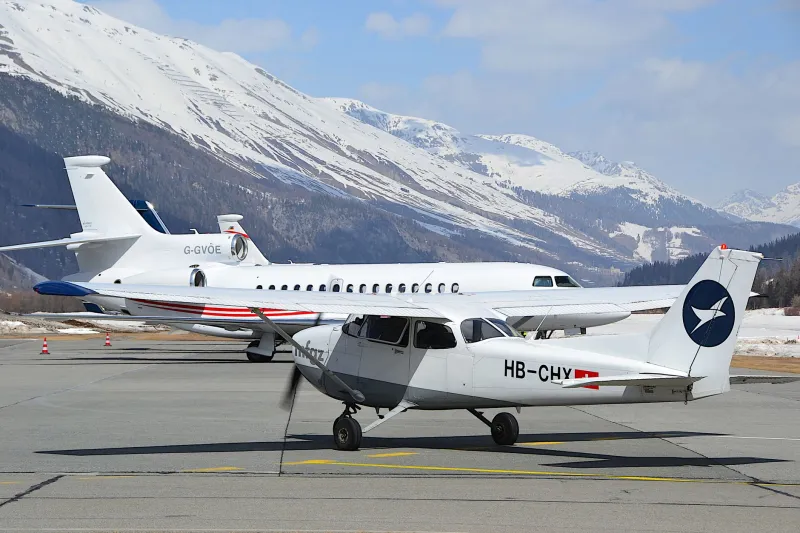
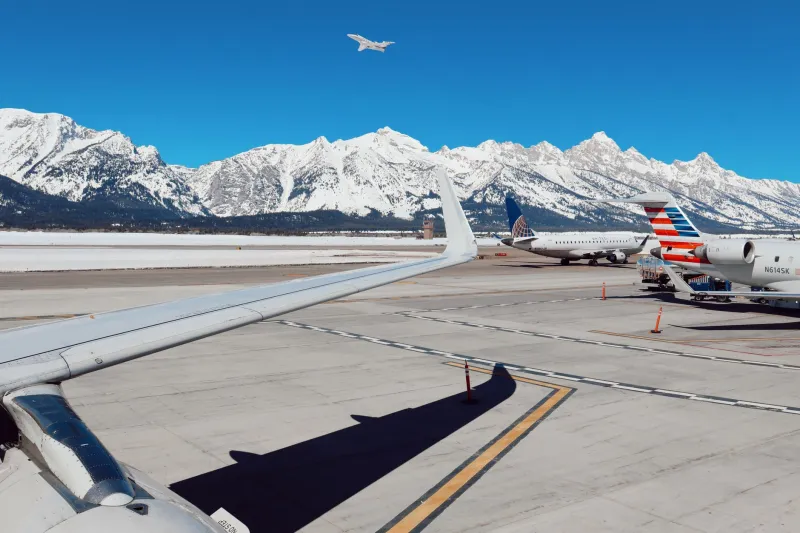
There is a version of the Rocky Mountain winter that exists only for those who arrive by air after the highways close: the telluride blue of late afternoon light on a ridge line, the valley floor already glittering, the town twenty minutes away and a world apart. Private aviation is the key to that version of the West. But the airports that unlock it — Aspen/Pitkin County, Jackson Hole, Telluride Regional, Eagle County, Sun Valley — are among the most demanding fields a pilot can legally serve, and they demand respect in ways that flatland flying never does.
Understanding why is not aviation trivia. It is the difference between a seamless arrival and a diverted evening in Grand Junction.
The Physics of a High Plateau
Aircraft performance is a function of air density, and air density thins with altitude and warmth. A runway at 7,800 feet — Telluride's, the highest in North America with commercial service — effectively behaves like a far longer runway at sea level, and on a 75-degree July afternoon, worse. Takeoff rolls lengthen, climb gradients shallow, and the margin for error compresses on both ends of the flight.
This is why an aircraft that handles a New York to Boston hop effortlessly may be entirely unsuitable for the same distance into the mountains. Turbulent mid-size jets can struggle out of Aspen on a hot day with full fuel; some light jets cannot serve Telluride at all with meaningful payloads. Competent operators consult performance charts for the actual conditions of your actual day — not the brochure numbers.
Terrain Changes the Weather Equation
The second complication is topography. Mountain valleys funnel wind, generate their own microclimates, and can bury a forecast in an hour. Aspen's approach requires specific crew training and, at some fields, special pilot qualification beyond standard certification. Ceilings and visibility minimums at these airports are stricter than at Denver or Dallas, and for good reason: there is less room for the unexpected when the unexpected is a granite wall.
The result is a phenomenon frequent mountain flyers know well — the quiet decline. An operator reviews the forecast, runs the numbers, and calls to say the trip is not one they will fly. It can feel like an inconvenience. It is actually the mark of an operator worth keeping. The one that never says no is the one to worry about.
Which Aircraft Actually Belongs in the Mountains
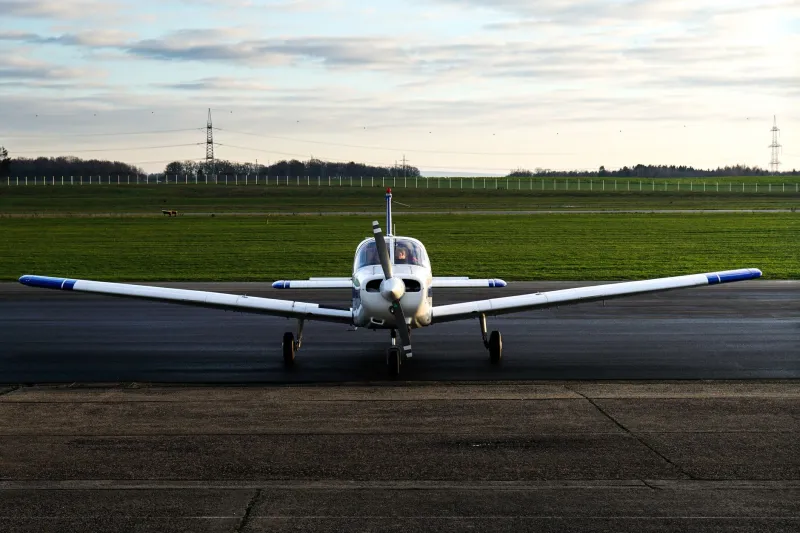
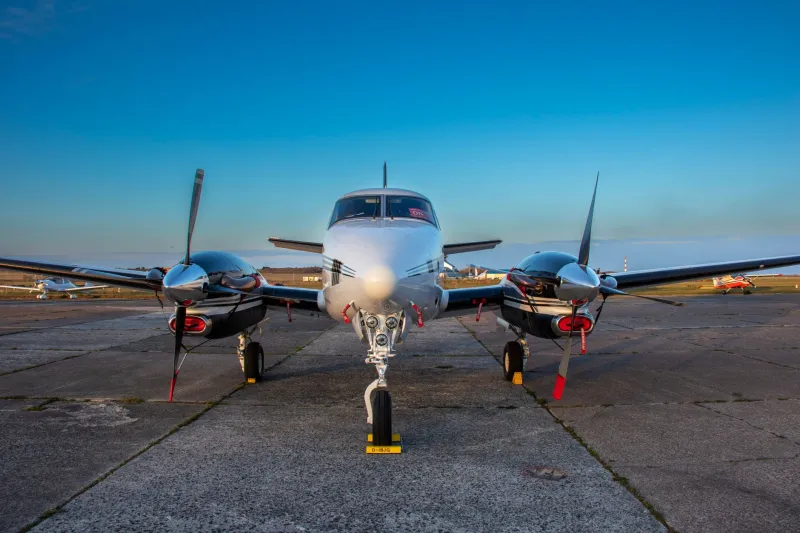
Generalizations fail here, but a few patterns hold. Larger-cabin jets with excess thrust and generous wing area — the Challenger 350 class, the Falcon family, the Global series — handle high-altitude departures with room to spare. Many midsize jets serve Aspen and Jackson Hole comfortably in cool weather with sensible loads. Very light jets and older airframes are where travelers get surprised, particularly in summer or with skis, boots, and a family's luggage aboard.
Jackson Hole adds its own wrinkle: frequent evening winter closures and an approach environment that demands current, specific crew experience. Eagle County serves the Vail valley well and often makes a smarter choice than Aspen when weather is marginal. A knowledgeable operator will steer you toward these alternatives without being asked. That instinct — the willingness to solve for the outcome rather than the itinerary — is precisely what you are paying a premium to access.
Five Questions Before You Book
Sophisticated travelers can cut through the salesmanship with a short list:
- Is the crew qualified for this specific field? Aspen and other mountain airports require special training; ask directly and expect a specific answer.
- What are the performance limits today? Temperature, runway conditions, and passenger load all matter. A good operator will have run these numbers before you ask.
- What is the weather backup plan? Name the alternate airport, the ground transfer, and who makes the call.
- Is the aircraft right for the load? Ski equipment and mountain-bound passengers change the math. Ask whether the recommended airframe has margin.
- Under what conditions would you decline the trip? An operator with a clear answer is an operator with a safety culture.
The View Is Earned
The mountains reward preparation in a way few destinations do. The traveler who books with an operator that respects the physics, staffs crews with genuine mountain experience, and maintains the discipline to say no when the day demands it will land in Aspen or Jackson precisely as the brochure promised — rested, on schedule, and entirely unaware of the judgment exercised on their behalf. That invisibility is not luck. It is the product, working.