The Certificate Behind the Cabin: How to Verify a Charter Flight Is Legal

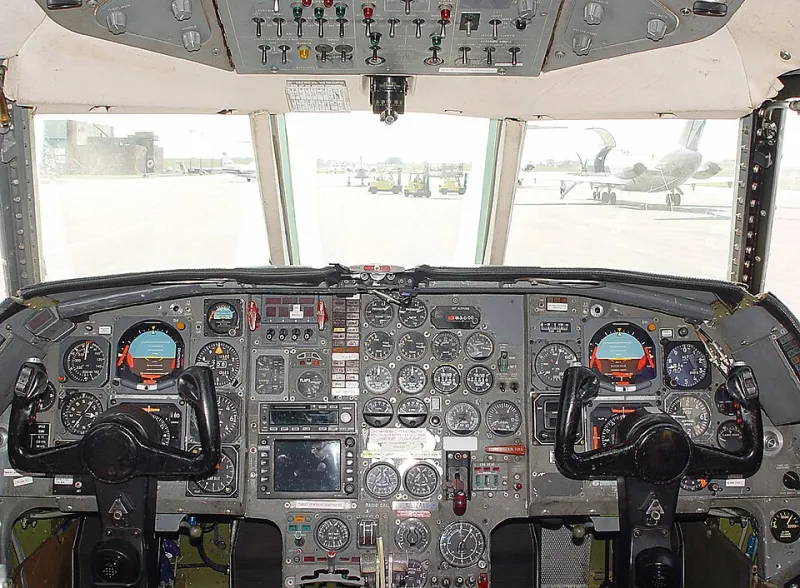
Photo: Eric Friedebach, CC BY 2.0, via Wikimedia Commons
On the ramp, two aircraft can sit side by side in identical paint, with equally polished crews and equally attentive line service. One flight is a properly certificated charter. The other is a very expensive risk. The difference is rarely visible from the cabin door. It lives in the operating certificate, the operations specifications, the insurance file, and the chain of operational control that determines who is legally responsible when the wheels leave the ground.
The grey market in illegal charter flying is not a distant problem confined to unregulated corners of aviation. It appears in ordinary transactions: a broker selling a seat on an aircraft that is not authorized for charter, an owner offering a 'cost-sharing' flight that is really a commercial operation, or a management company arranging trips under rules that do not permit them. For a client accustomed to buying outcomes rather than auditing paperwork, the risk is easy to miss.
What 'Charter' Legally Means in the United States
In the United States, a charter flight for hire generally requires the operator to hold an FAA air carrier certificate under Part 135 and to conduct the flight under that certificate's approved operations specifications. Part 91, by contrast, covers private operations. It permits limited cost-sharing in narrow circumstances, but it does not permit an aircraft or a pilot to be offered to the public as a charter service.
The distinction matters because Part 135 carries requirements that Part 91 does not: drug and alcohol testing programs, pilot duty and rest limits, maintenance programs, recordkeeping, and FAA oversight of the operator's procedures. A broker may sell the flight, but a broker does not thereby become the operator. The entity with operational control — the one responsible for dispatching the aircraft, assigning the crew, and conducting the flight under its certificate — must be clearly identified.
That is why the first question is not 'How much?' It is 'Who is operating this flight?'
The Documents a Legitimate Operator Can Produce
A legitimate charter operator should be able to provide its air carrier certificate number and confirm that the specific tail number is listed on its operations specifications. The aircraft may be owned, leased, or managed, but if it is flown for hire, it must be authorized under the operator's certificate.
The operator should also be able to produce a certificate of insurance showing liability coverage for the flight, a written charter agreement that names the operator, and a clear explanation of who employs the pilots and who exercises operational control. Payment terms should be equally clear. A client should be wary of requests to pay an individual, a vague limited liability company, or an account that does not match the operator or the broker disclosed in the contract.
A broker can be legitimate. Many are. But a legitimate broker discloses the operator and does not obscure the fact that the flight is being conducted by a certificated air carrier. The transaction should read as a chain, not a blur.
The Quiet Signals of a Grey-Market Flight
Several signals deserve attention. The first is an aircraft tail number that cannot be matched to the operator's certificate. The second is a price that is materially below the market for the mission without a credible explanation. The third is a contract that names only a broker, a management company, or an aircraft owner, while never identifying the certificated operator.
Other signals are subtler. A seller may describe the flight as a 'cost-sharing' arrangement even though the passenger is paying the full commercial rate. A pilot may be described as an independent contractor who 'comes with the plane.' The invoice may arrive from a different entity than the one that quoted the trip. The crew may be unfamiliar with the operator's procedures because the aircraft is being flown outside the operator's normal system.
None of these facts is conclusive on its own. Together, they justify a pause. In charter, a vague answer about operational control is not a clerical inconvenience. It is a warning.
Questions to Ask Before the First Invoice
A client does not need to become an aviation lawyer to ask useful questions. Ask who the certificated operator is and request the certificate number. Ask whether the tail number is on that operator's operations specifications. Ask who employs the pilots and who is responsible for dispatch and operational control. Ask for the insurance certificate and confirm that the flight is covered. Ask whether the crew is subject to the operator's FAA-approved duty and rest program. Ask what happens if the aircraft or crew is unavailable and who is responsible for arranging a replacement.
A well-run operator answers these questions directly and without irritation. Evasion is itself information.
For a platform like JetBook K12, these checks are not a layer of luxury service added after the fact. They are the premise of a serious charter transaction. The cabin may be the visible product, but the certificate is the foundation. A client who verifies the foundation before the first invoice is not being difficult. They are simply refusing to buy a flight that may not legally exist.